

The 7 Pillars of a Great Beard Trim


Why Beard Trim Mastery Matters
A beard is more than facial hair. For many clients, it is part of their identity. Some see it as a mark of professionalism, others as a personal style statement, and some as their best opportunity to add stronger shape and definition to the face.
As barbers, our job is to respect that identity while refining it. Mastering beard services expands your skill set, increases the value of your appointments, creates natural upsell opportunities, and helps build long-term client loyalty.
A well-shaped beard should look intentional, balanced, and connected to the haircut—not like an afterthought.
1. Knowing Beard Types
Understanding different beard types and styles helps you choose the right approach for each client. the 7 Pillars of a Great Beard Trim start here:
Full Beards: These require balance, structure, and proportion. The goal is usually to create shape without making the beard look overly manicured. Think structured, not scruffy.
Goatees and Van Dykes: Symmetry matters most. Small inconsistencies are easy to notice, so cheek lines, chin shape, and width all need to be balanced carefully.
Stubble and Short Beards: These styles may look effortless, but they still require clean cheek lines, controlled necklines, and even density.
Patchy Beards: Be realistic with the client. Some shapes will work better than others depending on growth patterns. Guide them toward styles that maximize the hair they have rather than forcing a shape that highlights weak areas.
2. Tools of Beard Mastery
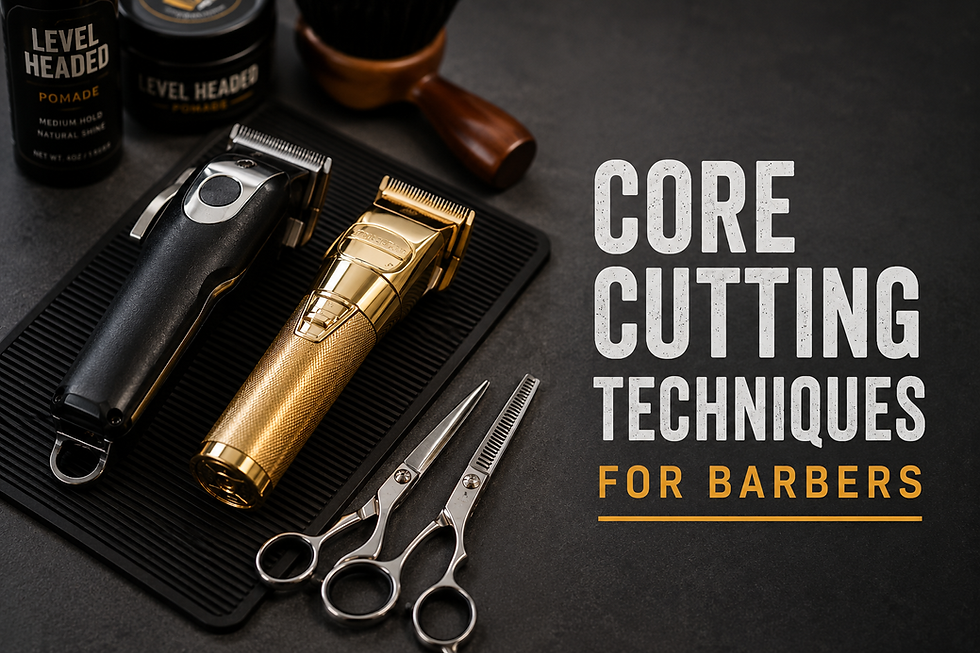
Beard work requires precision, and the condition of your tools matters.
Trimmers are essential for edging, outlining, and shaping. Sharp blades reduce tugging and irritation while giving you cleaner lines.
Shears are especially useful on fuller beards. They allow you to refine bulk and remove individual hairs without taking away too much length.
Straight razors can add a polished, luxury finish to cheek lines and necklines. Combined with proper preparation, they can turn a standard trim into a premium service.
Combs and brushes help detangle the beard, control growth direction, reveal uneven areas, and keep the hair organized while cutting.
3. Shaping Principles
Most great beard shapes come down to four major elements: cheek lines, neckline, bulk, and overall silhouette.
Cheek Lines: In most cases, work with the client’s natural growth pattern. A clean, natural arc usually looks best. Taking the line too low can make the beard look artificial, while forcing it too high can exaggerate sparse areas.
Necklines: One of the most common mistakes is allowing the beard to extend too far down the neck. A controlled neckline creates instant structure and makes the beard look intentional.
A useful general reference is just above the Adam’s apple, but every client should still be evaluated individually based on growth pattern and facial proportions.
Bulk Control: Length alone does not create a great beard. Shape matters more. Remove or preserve bulk depending on the client’s face, jawline, and haircut so the beard creates balance rather than unnecessary width.
Overall Shape: Most clients benefit from a silhouette that appears slimming when viewed from the front. Avoid creating a beard that becomes wider toward the bottom and produces a pear-shaped appearance when combined with the head.
One approach is to keep the back corner near the jaw and ear tighter, then gradually preserve more length moving toward the chin. This creates stronger forward projection and helps emphasize the jawline.
4. Beard and Hair Integration
A beard should feel connected to the haircut.
Fade Into the Beard: Tapering the sideburn area into the beard creates a smoother transition and prevents the haircut and beard from looking like two separate services.
Balance Proportions: A very full beard combined with an extremely tight haircut can create too much contrast if it is not shaped intentionally. Consider the overall silhouette of the head and face instead of treating each area separately.
Match the Detail Level: If the haircut has crisp lines and a polished finish, the beard should receive the same attention. A sharp haircut paired with a fuzzy, unfinished beard weakens the final result.
5. Beard Care and Retail
Many clients believe growing a beard is simply a matter of leaving it alone. Educating them on proper care gives them better results and creates an easy opportunity to recommend useful products.
Beard oils help moisturize the skin underneath the beard while softening the hair and reducing dryness or itchiness.
Balms and butters add moisture while providing light control, making them especially useful for medium and longer beards.
Beard washes and conditioners help keep the beard clean without stripping away too much of its natural oils.
Demonstrate products during the service whenever possible. Let the client feel the difference in texture before and after application. When the benefit is obvious, the recommendation feels educational rather than sales-driven.
6. Teaching the Client
A great beard service should continue to look good after the client leaves the shop.
Give clients simple maintenance instructions they can actually follow. Explain how often to trim flyaways, how much oil or balm to use, and how frequently to wash the beard.
Show them how to brush or comb it into shape and, when appropriate, demonstrate how a blow-dryer can help control stubborn growth patterns.
Keep the advice practical. Clients do not need a complicated grooming routine—they need a repeatable one.
It is also important to remind them that beard maintenance is ongoing. Just like a haircut, a beard trim is not a one-time fix. Regular appointments help preserve the shape and prevent the beard from becoming unbalanced.
7. The Client Experience
Beard services are a great opportunity to create small luxury moments that make the appointment feel more valuable.
A hot towel and razor finish can immediately elevate a basic trim. Even a brief beard or facial massage can make the service feel more intentional and relaxing.
Over time, you may also develop your own approach to beard shaping. When clients begin recognizing your style and trusting your eye, beard services can become something they specifically seek you out for.
That is where technical skill becomes part of your personal brand.
The Payoff
Mastering beard work sets you apart because not every barber knows how to shape facial hair with the same precision they bring to a fade.
The strongest beard services combine structure, proportion, clean transitions, and client education. When you can sculpt the beard, connect it naturally to the haircut, and teach the client how to maintain it, you create more value from a single appointment.
That value can lead to stronger client retention, higher service totals, increased product sales, and more referrals.
A beard can dramatically change the way a client’s face looks. When you learn to control that shape intentionally, you are doing more than trimming facial hair.
You are helping define the entire look.
"the 7 Pillars of a Great Beard Trim"
Key Takeaway: A great beard is built through proportion, precision, and maintenance. Master those three things, and your beard services become an important part of your value behind the chair.
Thanks for reading.
— Shane


header.all-comments